

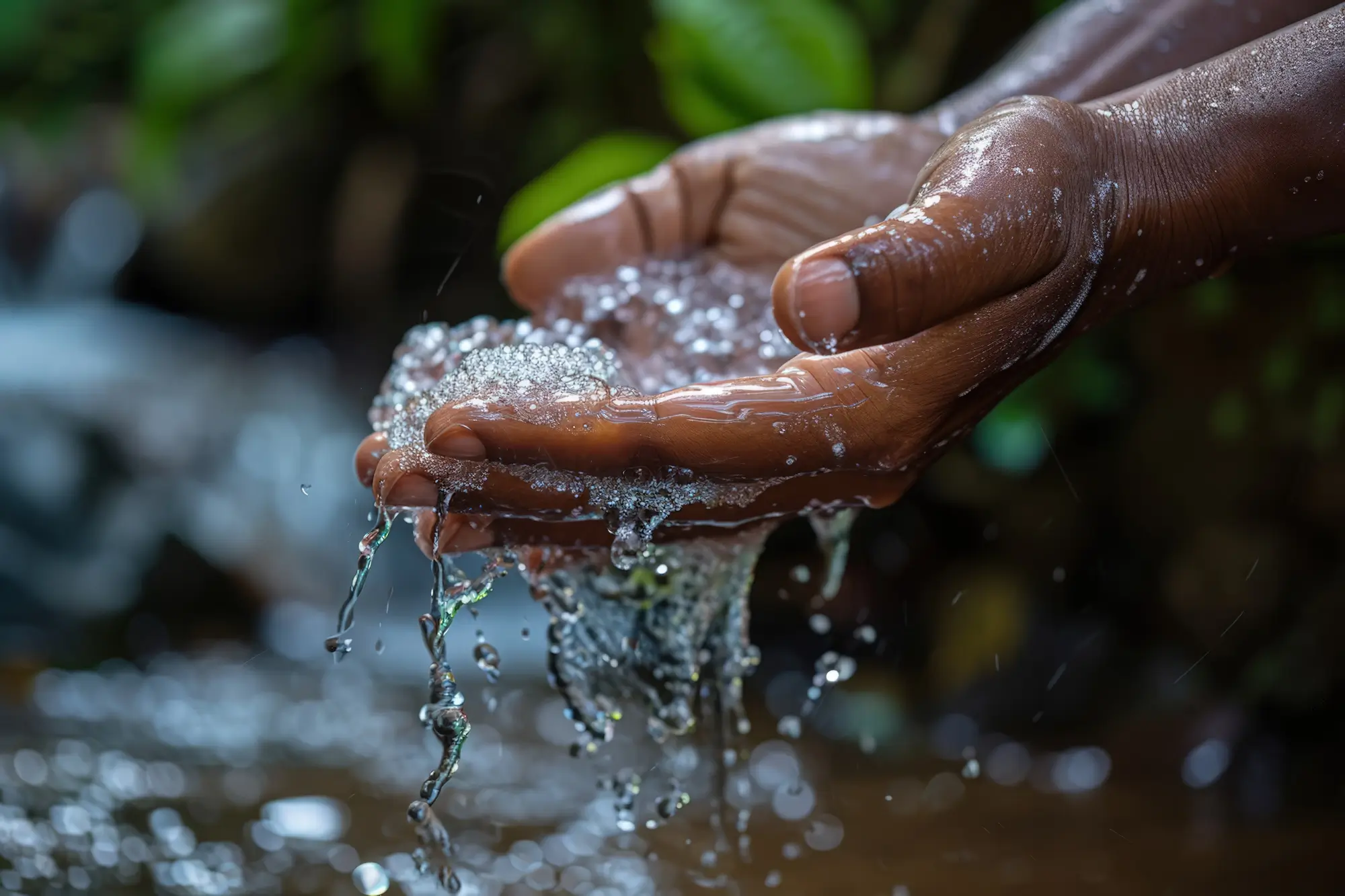
Environmental responsibility at Waterbase spans the entire aquaculture value chain, encompassing raw material sourcing, farm-level practices, and processing operations. We recognize that environmental stewardship is critical not only to regulatory compliance, but also to the long-term sustainability of aquaculture ecosystems and the communities that depend on them. Accordingly, environmental considerations are embedded into our operational planning, performance monitoring, and continuous improvement initiatives.
Waterbase adheres to internationally recognized environmental standards, including ISO 14001 Environmental Management System Certification, as part of our integrated quality, safety, and sustainability framework. This structured approach enables us to systematically identify, manage, and mitigate environmental risks while driving consistent improvements across our operations. Environmental performance is regularly reviewed to ensure compliance with evolving regulatory requirements and global best practices.
Environmental Initiatives.
Resource Efficiency
We focus on improving resource efficiency across farms and processing units through energy-efficient operations and enhanced water management practices. By optimizing energy usage, reducing wastage, and improving water-use efficiency, we aim to lower our environmental footprint while supporting operational effectiveness and cost efficiency.
Pollution Control
Waterbase implements comprehensive pollution control measures to reduce emissions, manage waste responsibly, and prevent contamination of aquaculture ecosystems. These measures include responsible effluent management, waste segregation, and disposal practices designed to safeguard surrounding land and water resources while maintaining farm and processing hygiene.
Biodiversity Respect
Our operational practices are designed to minimize ecological disturbance and respect local biodiversity. We actively work to reduce environmental stress on surrounding ecosystems and promote practices that help conserve natural habitats. Protecting biodiversity is integral to maintaining healthy aquaculture environments and ensuring long-term ecological balance.
Innovation in Inputs
We prioritize the use of sustainable and eco-friendly raw materials in feed and nutritional supplements. Through responsible sourcing and innovation in inputs, we aim to reduce environmental impact while supporting animal health, productivity, and food safety.
These environmental initiatives are guided by a philosophy of continuous improvement and strict adherence to global food safety, traceability, and sustainability standards. Through disciplined environmental management and responsible operational practices, Waterbase remains committed to protecting natural resources while enabling sustainable growth across the aquaculture value chain.