


© 2026 The Waterbase Ltd.
Our Journey
Building the Foundations of Shrimp Aquaculture
A journey shaped by science, partnerships, and a long-term commitment to strengthening shrimp farming ecosystems.
The Waterbase Limited
Across the Aquaculture Value Chain
From pioneering science to global seafood markets, our journey is rooted in integration, innovation, and impact.
1987
Incorporation of the company as Thapar Waterbase Limited on November 23.
1991
Successfully listed on the Bombay Stock Exchange (BSE).
1992
- Change of name to The Waterbase Limited (February 12).
- Launched its first Public Issue of equity shares, oversubscribed by 24.6 times.

1993
- Commissioning of India’s first integrated aquaculture EOU in Nellore, Andhra Pradesh.
- Technical collaboration with Luxe Enterprises, Taiwan, for feed and hatchery technology.
1994
- Full integration achieved: Hatchery, Farm, Feed Mill, and Process Plant all operational.
- Adopted a unique direct sea-water intake system, the first of its kind in India.
2003
Obtained ISO 9001 certification for its Shrimp Feed Mill.
2009
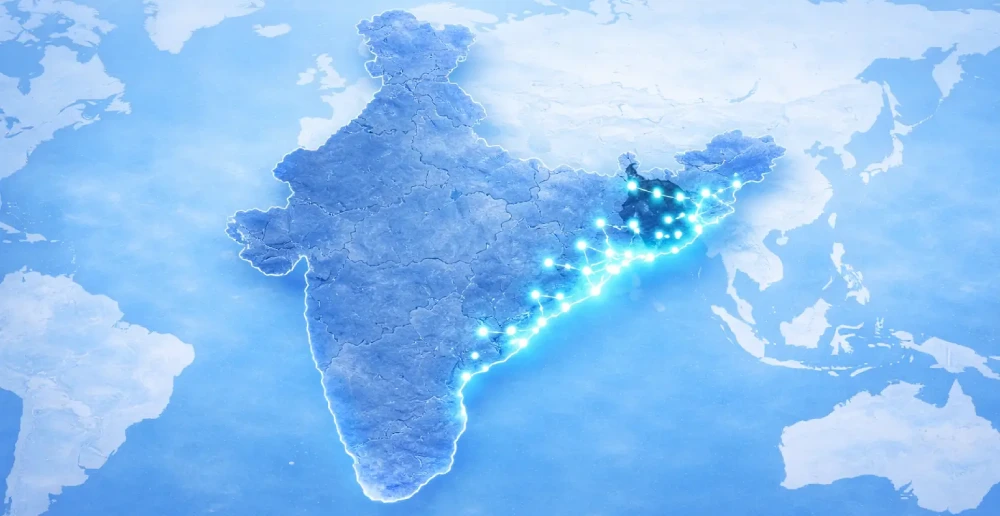
Expansion of dealer network across the eastern coast, specifically in Odisha and West Bengal.
2010
Pioneered the shift toward L. Vannamei (White Shrimp) farming in India.
2012
Launched ‘Bay White’, the first successful Indian brand specifically for Vannamei farming.
2014
Reached a revenue milestone during India’s surge to $3.5 billion in shrimp exports.
2016
KCT increased its stake to 51.6%, making TWL a subsidiary.
2017
- Amalgamation of Pinnae Feeds Ltd. with TWL to consolidate feed manufacturing capacity.
- Diversified into the farm-care segment with the brand ‘Baylife’.
- Launched the consumer-facing frozen seafood brand ‘Prize Catch’ in Chennai.
2018
Commissioned Phase I of a new Vannamei Hatchery to ensure quality seed supply to farmers.
2019
Received the “SME – Empowering India Award” in the Food & Agriculture category.
2020
Acquired 100% shares of Saatatya Vistaar Oorja Bengaluru Pvt Ltd (March 25).
2023
Celebrated 35 years of operation, emphasizing “traceability” and antibiotic-free shrimp.
2025
Focused on “Climate-Smart Aquaculture,” upgrading cold storage to 1,300 MT capacity to mitigate global supply chain volatility.